In an ideal world—one of perfect fairness and universal reciprocity—pure liberalism and total openness would be the ultimate virtues. But we do not live in that world. Pretending that we do is more than just an error in judgment; it is a danger to our collective future.
Every thriving society and serious community across the globe prioritizes its own people, its own interests, and its own survival. They build walls around their culture, their economy, and their narrative. They understand that to have anything to offer the world, they must first ensure their own house is secure.
For the Yoruba people, it is both unrealistic and unwise to be the only group that refuses to think in terms of self-preservation.
The Misapplication of a Virtue
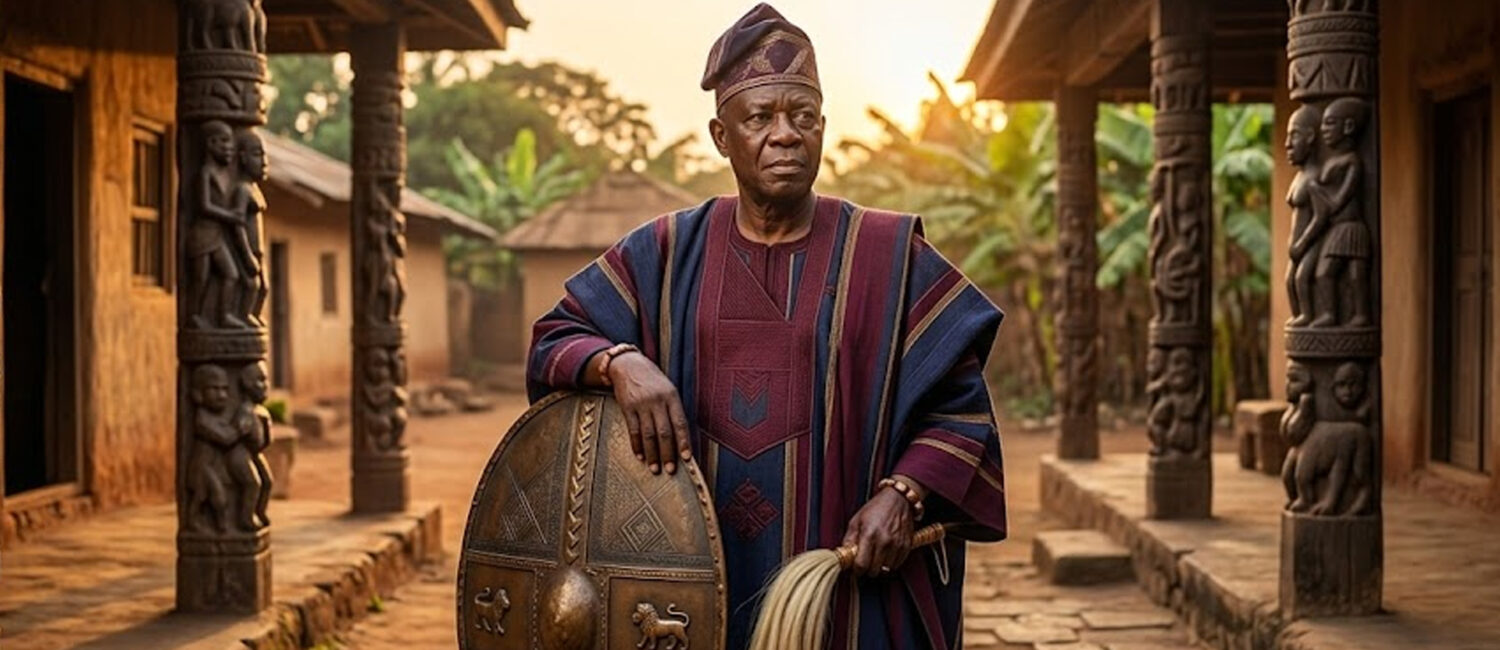
This perspective is not a rejection of the Omoluabi ideal. Rather, it is a vital correction of how that ideal has been misapplied in recent generations.
Historically, being an Omoluabi—a person of character—was never a mandate for self-erasure. It was never meant to mean:
- Blind Generosity: Giving until the storehouse is empty.
- Strategic Weakness: Being predictable and easily manipulated.
- Silence in the Face of Risk: Watching a threat approach and refusing to speak for fear of “offending.”
- Sacrificing the Collective: Trading the interests of our children for the sake of being seen as “nice.”
There is a biting Yoruba saying: “Omo yẹn nice, omo yẹn nice… àpá lón jẹ bẹ́!” (That child is so nice, so nice… that’s how a fool is described!) We must distinguish between being a person of character and being a person who is easily exploited.
Defining True Omoluabi: Wisdom over Foolishness
True Omoluabi includes wisdom (Ogbọn), foresight (Imọ-iwaju), restraint (Ira-ẹni), and deep thinking (Arojinlẹ). It teaches us to be fair, but it does not demand that we be foolish.
In an imperfect society, it is not a moral failing to apply caution. To prioritize the preservation of one’s lineage, culture, and community is a fundamental duty.
The Three Pillars of Modern Integrity
To move forward, we must adopt a framework where our virtues do not become our vulnerabilities:
- Ethics Without Vulnerability: We can be a people of high moral standing without leaving our doors unlocked. Integrity is not the absence of boundaries; it is the enforcement of them.
- Fairness Without Defenselessness: Being fair to our neighbors does not mean giving them the keys to our inheritance. We must remain capable of defending our interests when they are challenged.
- Openness Without Abandonment: We can be open-minded and cosmopolitan without abandoning the specific interests of our own people. Global citizenship starts with a strong local foundation.
Protection Is a Responsibility, Not a Hatred
Protecting our identity, our future, and our collective well-being does not make us hateful. It makes us responsible. Our ancestors were masters of diplomacy, but they were also masters of strategy. They understood that wisdom sometimes means knowing when to give and, crucially, when to guard. Omoluabi is not weakness; it is wise strength.
Times have changed. The landscape of the 21st century requires us to adjust our lenses. We must remain a people of character, but that character must now include the courage to put our community first.
Let us be Omoluabi who are as wise as they are kind, and as protective as they are peaceful.